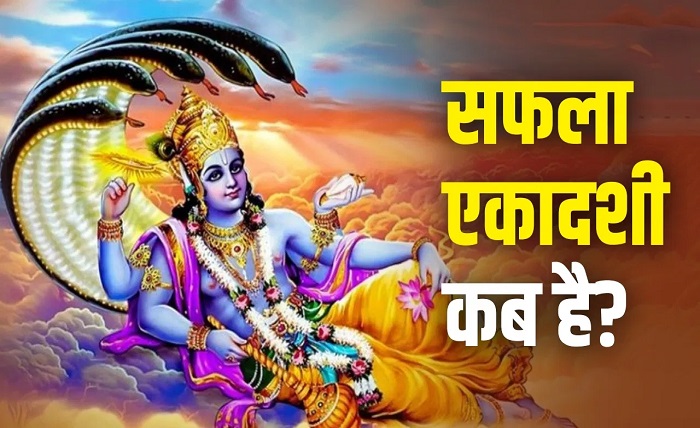
If you are wondering ekadashi kab hai, you are not alone, as millions of devotees check the Hindu calendar every month to know ekadashi kab hai for fasting and spiritual observances. Ekadashi occurs twice every lunar month, once during the waxing phase (Shukla Paksha) and once during the waning phase (Krishna Paksha), which makes knowing ekadashi kab hai essential for those following religious traditions. The exact date of ekadashi kab hai depends on the lunar cycle, so it shifts each month according to the Hindu Panchang.
To determine ekadashi kab hai, one must refer to an accurate Hindu calendar that calculates tithi (lunar day), as Ekadashi falls on the 11th day of each lunar fortnight. This means that ekadashi kab hai will vary depending on the region and the sunrise timing, which is why devotees often double-check before observing a fast.
Ekadashi Kab Hai: Religious Significance and Importance
Understanding ekadashi kab hai is deeply connected to its spiritual importance in Hinduism, where Ekadashi is considered one of the most sacred fasting days dedicated to Lord Vishnu. When devotees ask ekadashi kab hai, they are not just seeking a date but also preparing themselves for spiritual purification and devotion.
The significance of knowing ekadashi kab hai lies in the belief that fasting on this day helps cleanse sins and brings peace and prosperity. Observing Ekadashi after confirming ekadashi kab hai is said to grant moksha (liberation) and improve one’s mental and physical discipline. Therefore, checking ekadashi kab hai is an essential ritual for followers.
Ekadashi Kab Hai: Types of Ekadashi Throughout the Year
When discussing ekadashi kab hai, it is important to understand that there are 24 Ekadashis in a year, and in leap years, there may be 26, making the question ekadashi kab hai even more frequent. Each Ekadashi has a unique name and significance, such as Nirjala Ekadashi, Devshayani Ekadashi, and Vaikuntha Ekadashi.
Devotees often search ekadashi kab hai not only for fasting but also to observe specific Ekadashis that hold special importance. For example, Nirjala Ekadashi is considered the most powerful, so people are particularly interested in knowing ekadashi kab hai for this day. Each Ekadashi has different rituals, making the knowledge of ekadashi kab hai even more crucial.
Ekadashi Kab Hai: Fasting Rules and Rituals
Once you know ekadashi kab hai, the next step is to follow the proper fasting rules associated with the day. Observing a fast after confirming ekadashi kab hai typically involves abstaining from grains, beans, and certain spices, while consuming fruits, milk, and specific fasting foods.
Devotees who check ekadashi kab hai often prepare a day in advance by eating light and sattvic food. On the day of Ekadashi, after verifying ekadashi kab hai, they engage in prayers, chanting, and reading scriptures. Breaking the fast (Parana) is also important and depends on the timing following ekadashi kab hai, which must be done correctly to gain full benefits.
Ekadashi Kab Hai: Health and Spiritual Benefits
Many people search ekadashi kab hai not only for religious reasons but also for health benefits, as fasting on Ekadashi is believed to detoxify the body. When individuals plan their fasting after knowing ekadashi kab hai, they allow their digestive system to rest, which promotes overall wellness.
Apart from physical benefits, understanding ekadashi kab hai helps in achieving mental clarity and emotional balance. The discipline of fasting and prayer after confirming ekadashi kab hai enhances mindfulness and reduces stress. Thus, ekadashi kab hai is not just a question of date but also a path to holistic well-being.
Ekadashi Kab Hai: How to Check Accurate Dates
To correctly determine ekadashi kab hai, one should rely on a trusted Hindu Panchang or online calendar. Since ekadashi kab hai can vary by location due to time zones and sunrise calculations, it is essential to check a reliable source.
Many apps and websites now provide precise answers to ekadashi kab hai, making it easier for devotees worldwide. Whether you use a traditional calendar or a digital app, verifying ekadashi kab hai ensures that you observe the fast on the correct day and receive its full spiritual benefits.
Ekadashi Kab Hai: Tips for First-Time Observers
If you are new and wondering ekadashi kab hai, starting with simple fasting practices is recommended. Beginners often search ekadashi kab hai to align their routine with spiritual goals without overwhelming themselves.
After confirming ekadashi kab hai, you can begin with partial fasting, such as consuming fruits and milk. Gradually, as you become more comfortable, you can follow stricter fasting rules. Knowing ekadashi kab hai in advance also helps you plan your meals and daily schedule effectively.
Conclusion
In conclusion, the question ekadashi kab hai holds great importance for spiritual seekers and devotees alike. By understanding ekadashi kab hai, you can align yourself with ancient traditions that promote discipline, devotion, and well-being. Whether you observe Ekadashi for religious reasons or health benefits, knowing ekadashi kab hai ensures that you follow the rituals correctly and gain maximum benefits.
Keeping track of ekadashi kab hai allows you to stay connected to your spiritual roots while also improving your lifestyle. So, always check ekadashi kab hai in advance and prepare yourself for a meaningful and fulfilling experience.
FAQs
1. Ekadashi kab hai every month?
Ekadashi kab hai occurs twice a month, once in Shukla Paksha and once in Krishna Paksha, depending on the lunar calendar.
2. How can I check ekadashi kab hai accurately?
You can check ekadashi kab hai using a Hindu Panchang, mobile apps, or trusted online calendars.
3. Why is ekadashi kab hai important to know?
Knowing ekadashi kab hai helps you observe fasting on the correct day and receive spiritual benefits.
4. Can beginners observe fast after knowing ekadashi kab hai?
Yes, beginners can start fasting after confirming ekadashi kab hai with simple dietary restrictions.
5. Does ekadashi kab hai change every year?
Yes, ekadashi kab hai changes each year based on the lunar calendar and regional time differences.