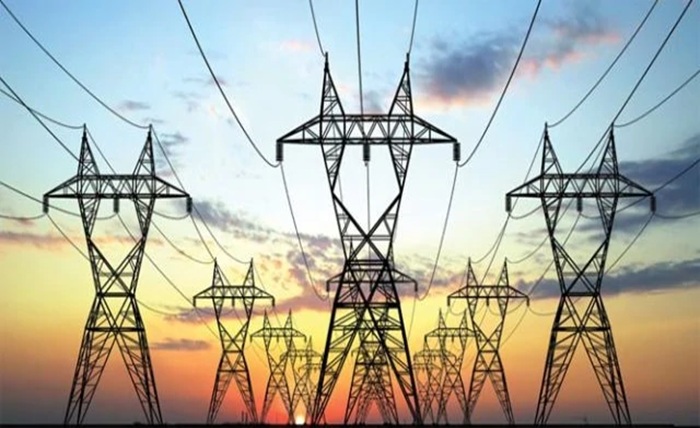
Har Ghar Bijli represents one of the most ambitious social and infrastructure missions in modern India, aiming to ensure that every household, whether in a dense urban settlement or a remote rural village, has access to reliable electricity, because har ghar bijli is not just about wires and poles but about dignity, opportunity, and inclusion, as electricity enables lighting for education, power for healthcare, connectivity for communication, and energy for livelihoods, transforming lives by reducing inequality between rural and urban populations while laying the foundation for long-term economic growth and social development across the nation.
Har Ghar Bijli as a Catalyst for Rural Development and Social Equality
Har Ghar Bijli plays a critical role in rural development by bridging the long-standing gap between cities and villages, because when har ghar bijli reaches rural households it empowers farmers with irrigation pumps, allows small businesses to operate machinery, improves access to information through television and mobile charging, and supports women by reducing dependence on traditional fuels, thereby creating a more balanced society where energy access becomes a tool for social equality rather than a privilege limited to urban areas.
Har Ghar Bijli and the Role of Government Policies and Schemes
Har Ghar Bijli has been driven by focused government policies and nationwide electrification schemes that prioritize last-mile connectivity, because the success of har ghar bijli depends on coordinated planning, funding, and execution involving central and state authorities, power distribution companies, and local administrations, all working together to identify unelectrified households, extend transmission networks, subsidize connections for economically weaker sections, and monitor progress through digital platforms to ensure transparency and accountability.
Har Ghar Bijli and the Impact on Education and Healthcare Systems
Har Ghar Bijli has a transformative impact on education and healthcare by enabling schools to use digital learning tools and hospitals to run essential medical equipment, because har ghar bijli ensures that students can study after sunset, access online resources, and develop modern skills, while healthcare centers can store vaccines, operate diagnostic machines, and provide emergency services, ultimately improving human development indicators and strengthening the social infrastructure that supports a healthy and educated population.
Har Ghar Bijli and Economic Growth Through Energy Access
Har Ghar Bijli contributes directly to economic growth by stimulating local entrepreneurship and attracting investment, because when har ghar bijli becomes reliable and affordable it reduces production costs, increases productivity, and encourages micro, small, and medium enterprises to expand operations, creating jobs and boosting incomes, while also supporting large-scale industrial growth by strengthening the overall power ecosystem and enhancing India’s competitiveness in the global economy.
Har Ghar Bijli and the Integration of Renewable Energy Sources
Har Ghar Bijli is increasingly aligned with India’s renewable energy goals, because integrating solar, wind, and other clean energy sources into the har ghar bijli framework helps ensure sustainability, reduces dependence on fossil fuels, and provides decentralized power solutions for remote areas, such as solar home systems and microgrids, which not only extend electricity access faster but also promote environmental responsibility and energy security for future generations.
Har Ghar Bijli and the Challenges of Reliability, Affordability, and Sustainability
Har Ghar Bijli faces ongoing challenges related to power reliability, affordability, and sustainability, because achieving har ghar bijli is not just about providing a connection but about ensuring consistent supply, minimizing outages, maintaining infrastructure, and keeping tariffs affordable for low-income households, all while addressing financial stress in distribution companies and adapting to rising energy demand, which requires continuous reforms, technological upgrades, and community participation.
Har Ghar Bijli and the Long-Term Benefits for Digital India
Har Ghar Bijli supports the broader vision of Digital India by enabling connectivity and digital services at the grassroots level, because when har ghar bijli powers smartphones, internet routers, and digital service centers it allows citizens to access e-governance, online banking, telemedicine, and digital education, thereby improving efficiency, reducing corruption, and empowering people with information and services that were previously out of reach for many rural and marginalized communities.
Har Ghar Bijli and the Road Ahead for Inclusive Energy Access
Har Ghar Bijli continues to evolve as India moves from basic electrification toward quality and resilience, because the future of har ghar bijli depends on strengthening grids, adopting smart meters, encouraging energy efficiency, and promoting community awareness about responsible consumption, ensuring that universal electricity access translates into long-term social and economic benefits while supporting India’s transition to a sustainable and inclusive energy future.
Conclusion
Har Ghar Bijli stands as a powerful symbol of India’s commitment to inclusive development, because by making har ghar bijli a reality the nation empowers citizens, strengthens institutions, accelerates economic growth, and enhances quality of life, proving that electricity access is not merely an infrastructure goal but a fundamental driver of human progress and national transformation.
1: Har Ghar Bijli and Its Meaning for Common Citizens
Har Ghar Bijli means ensuring that every household has access to electricity, because har ghar bijli directly affects daily life by improving safety, comfort, education, healthcare, and income opportunities for common citizens across urban and rural India.
2: Har Ghar Bijli and Its Difference from Traditional Electrification
Har Ghar Bijli differs from traditional electrification because har ghar bijli focuses on universal household-level access rather than just village or area coverage, ensuring that no family is left without a power connection regardless of location or income.
3: Har Ghar Bijli and Its Role in Women Empowerment
Har Ghar Bijli supports women empowerment because har ghar bijli reduces the burden of household chores, improves safety after dark, enables home-based enterprises, and provides access to information and education that help women participate more actively in social and economic life.
4: Har Ghar Bijli and the Importance of Reliable Power Supply
Har Ghar Bijli emphasizes reliability because har ghar bijli is meaningful only when electricity is available consistently, supporting productive activities, essential services, and overall trust in the power system among consumers.
5: Har Ghar Bijli and the Future of Sustainable Energy in India
Har Ghar Bijli aligns with sustainable energy goals because har ghar bijli increasingly incorporates renewable sources, energy efficiency, and smart technologies, ensuring that universal electricity access is achieved without compromising environmental responsibility.